
How to Spot a Fake Stake Login Page
Protecting your online gaming account is paramount, and the first line of defense is a secure login. Scammers create sophisticated fake login pages to steal user credentials. This guide provides a practical, step-by-step walkthrough to help you identify a fraudulent Stake login page and keep your account safe.
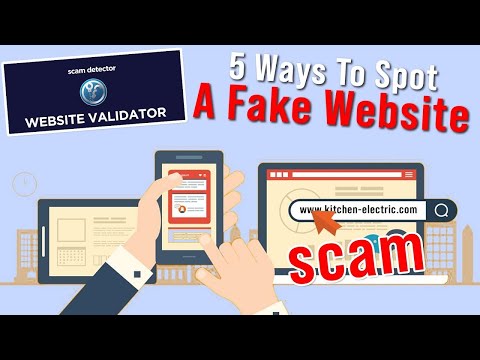
1. Scrutinize the Web Address (URL)
The URL in your browser’s address bar is the most critical indicator of a page’s legitimacy. Before entering any details, examine it closely. A genuine Stake login page will always use “https://” – the ‘s’ stands for secure and indicates an encrypted connection. Look for the padlock icon next to the URL. The domain name must be exactly correct; scammers often use subtle misspellings like “stakee.com” or “stake-login.net” to trick users. Always type the address yourself or use a trusted bookmark instead of clicking links from emails or messages.
2. Check for Website Security Certificates
A valid security certificate is non-negotiable for any legitimate website handling logins. Click on the padlock icon in the address bar to view the site’s security details. It should clearly state that the connection is secure and the certificate is valid. For the official Stake casino site, the certificate should be issued to their exact domain name. If the browser displays a warning message stating the certificate is invalid, expired, or does not match the domain, close the page immediately. Never proceed past such a warning.
3. Look for Grammatical Errors and Poor Design
While some fake pages look very professional, many contain tell-tale signs of being a rush job. Look for inconsistencies in the design, such as low-resolution images, misaligned buttons, or incorrect fonts and colors compared to the real Stake site. Read all the text on the page carefully. Phishing sites frequently contain spelling mistakes, awkward phrasing, and grammatical errors that would not be present on the official platform. Be especially wary of pop-ups demanding immediate action or offering a suspiciously generous Stake bonus.
| Red Flag | What to Look For |
|---|---|
| Suspicious URL | Misspellings (e.g., stakke.com), wrong domain extension (.net instead of .com), missing ‘s’ in https |
| Security Warnings | Browser displays “Not Secure” or an invalid certificate error message |
| Poor Content Quality | Spelling errors, bad grammar, low-quality or stretched logos and images |
| Too-Good-to-Be-True Offers | Promises of a Stake no deposit offer or Stake free spins upon login that seem unrealistic |
4. Verify Links and Contact Information
Hover your mouse cursor over any links on the page without clicking them. The destination URL will appear at the bottom of your browser window. Check if these links point to legitimate-looking addresses or if they redirect to strange, unrelated domains. A genuine page will have easily accessible and accurate contact information and links to its privacy policy and terms of service. If you are ever in doubt, navigate directly to the main Stake website through a search engine and contact support to verify any communication you’ve received, especially one containing a Stake promo code.
5. Enable Two-Factor Authentication (2FA)
The single most effective way to protect your account, even if your password is compromised, is to enable Two-Factor Authentication. This adds a second layer of security by requiring a unique code from your phone whenever you log in from a new device. To set it up:
- Log in to your genuine Stake account securely.
- Navigate to your account security settings.
- Follow the instructions to enable 2FA using an authenticator app.
- Save your backup codes in a secure place.
With 2FA active, a scammer who obtains your password through a fake page still cannot access your account without your physical device.
Staying Vigilant Online
Cyber threats are constantly evolving, but a cautious approach is your best defense. Always be skeptical of unsolicited emails or messages urging you to log in. Bookmark the official site and use that for all your access. By carefully checking the URL, security certificate, and page content, you can confidently identify a fake and protect your valuable account details. If you need to access your account, always ensure you are on the official page for a secure Stake login.


